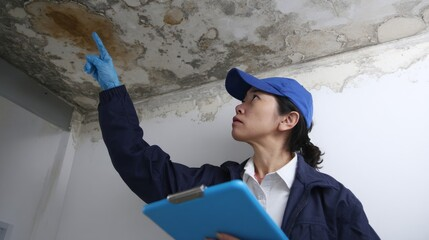
A small water leak can seem harmless at first, but it can quickly become one of the most expensive home repair issues if handled incorrectly. Water moves quickly through floors, walls, and ceilings, reaching areas that are not immediately visible. Many homeowners are eager to begin repairs as soon as possible, but rushing the process or overlooking important steps can create even bigger problems in the future. What appears to be a simple repair today may lead to mold growth, structural damage, or repeated repairs months later.
Water Damage Repair Salt Lake City is about more than replacing damaged materials. It requires careful planning, thorough drying, and attention to both visible and hidden damage. Understanding the most common mistakes during the repair process can help homeowners protect their property, reduce unnecessary expenses, and ensure that repairs last for years to come. Making informed decisions from the very beginning often leads to a smoother recovery and a safer living environment.
Starting Repairs Before the Source of the Water Is Fixed
One of the biggest mistakes homeowners make is repairing damaged areas before identifying and fixing the source of the water intrusion. A fresh coat of paint or new drywall may temporarily improve the appearance of a room, but these repairs will not last if the leak continues. Water will eventually return to the same area, causing additional damage and wasting both time and money. Addressing the root cause should always be the first priority before any repairs begin.
Water can enter a property from many different sources, including plumbing leaks, damaged roofing materials, overflowing appliances, or foundation cracks. Carefully inspecting the affected area helps determine where the water originated and whether the problem has been fully resolved. Ignoring the source often results in repeated repairs and growing frustration. Fixing the cause first creates a stable foundation for every repair that follows.
Taking the time to inspect the entire area also helps uncover related issues that may not be immediately obvious. A small leak behind a wall can travel a considerable distance before becoming visible. Solving the underlying problem prevents hidden moisture from continuing to spread and protects the home from ongoing deterioration.
Failing to Dry the Property Completely
Many homeowners assume that once standing water has been removed, the repair process can begin immediately. Unfortunately, visible water is only part of the problem. Moisture often remains trapped inside drywall, flooring, insulation, subfloors, and wooden framing. If these materials are repaired before they are completely dry, the trapped moisture can continue causing damage long after the visible repairs have been completed.
Proper drying takes time and requires patience. Building materials release moisture gradually, especially in enclosed spaces where airflow is limited. Allowing enough time for complete drying reduces the risk of mold growth, wood rot, and weakening of structural components. Thorough drying also helps ensure that replacement materials perform as expected without becoming damaged by hidden moisture.
Even if surfaces feel dry to the touch, moisture may still exist beneath them. Water often remains inside areas that cannot be seen without specialized inspection methods. Waiting until the entire affected area has dried completely provides a much stronger foundation for successful and long lasting repairs.
Replacing Materials Too Quickly
After experiencing water damage, many homeowners want their property to look normal again as soon as possible. This often leads to replacing drywall, flooring, cabinets, or trim before confirming that surrounding materials have fully recovered. While the repairs may initially appear successful, moisture trapped behind new materials can create future problems that require additional demolition and reconstruction.
Replacing materials too early can also hide signs of ongoing moisture issues. Walls that appear freshly repaired may still contain damp insulation or framing behind them. Over time, this hidden moisture can cause mold growth, unpleasant odors, and deterioration that eventually affects the new materials. Allowing sufficient time for drying before rebuilding helps protect the investment made during the repair process.
Carefully evaluating which materials can be restored and which require replacement is equally important. Some materials may dry successfully with minimal damage, while others lose their structural integrity after prolonged water exposure. Making thoughtful repair decisions helps improve both the appearance and durability of the finished project.
Ignoring Hidden Water Damage
Visible damage often receives the most attention because it is easy to recognize. Water stains, warped flooring, and damaged drywall clearly indicate where water has been present. However, some of the most serious damage occurs in areas that remain hidden behind walls, beneath flooring, or inside ceiling cavities. Ignoring these concealed areas is one of the most expensive mistakes homeowners can make.
Water naturally travels along the path of least resistance, allowing it to spread far beyond the original leak. Moisture can collect inside structural framing, insulation, and subfloor materials without showing immediate signs on the surface. These hidden areas may continue deteriorating for weeks or months if they are not properly inspected and dried. Focusing only on visible damage often leaves the underlying problem unresolved.
A complete inspection helps determine the true extent of the water intrusion before repairs begin. Looking beyond the obvious damage reduces the likelihood of future surprises and helps ensure that every affected area receives proper attention. Thorough inspections contribute to more reliable repairs and greater long term protection for the property.
Underestimating the Risk of Mold Growth
Mold is one of the most common consequences of untreated moisture following water damage. Many homeowners assume that if they cannot see mold, it does not exist. In reality, mold often begins growing in dark, damp spaces where moisture remains trapped. By the time mold becomes visible, it may have already spread extensively behind walls or beneath flooring materials.
Ignoring musty odors or damp conditions creates an opportunity for mold colonies to continue developing. Once established, mold can damage building materials and reduce indoor air quality. Preventing mold begins with complete moisture removal rather than simply covering damaged surfaces with new materials. Careful drying and timely repairs greatly reduce the likelihood of mold becoming a larger concern.
Maintaining good airflow throughout the drying process also supports mold prevention. Allowing damp areas to remain enclosed for extended periods slows evaporation and increases the chance of microbial growth. Addressing moisture quickly remains one of the most effective ways to protect both the home and the people living inside it.
Using Inappropriate Repair Materials
Not every building material performs well after exposure to water. Some homeowners attempt to save money by reinstalling damaged materials or selecting products that are not suitable for moisture-prone areas. While this may reduce immediate costs, it often leads to additional repairs later as materials deteriorate or fail prematurely.
Choosing appropriate replacement materials improves the durability of water damage repairs. Moisture-resistant products may provide added protection in areas where future water exposure is possible. Selecting materials based on their performance rather than simply their appearance helps extend the life of the repair and reduces maintenance over time.
Proper installation is equally important. Even high-quality materials can fail if installed over damp surfaces or without allowing adequate drying time. Combining suitable materials with proper repair techniques creates stronger and more reliable results that withstand everyday use.
Skipping Routine Maintenance After Repairs
Completing water damage repairs does not eliminate the need for ongoing maintenance. Some homeowners assume the problem has been permanently solved and stop monitoring the affected area. However, regular inspections help identify small issues before they become significant problems. Catching a minor leak early is much easier and less expensive than repairing another major water damage event.
Checking plumbing connections, inspecting roofing materials, cleaning gutters, and monitoring indoor humidity all contribute to long term protection. Looking for water stains, peeling paint, or musty odors during routine home maintenance allows potential problems to be addressed before serious damage develops. Preventive care helps preserve previous repair work and extends the overall life of the home.
Creating good maintenance habits also provides peace of mind. Homeowners who routinely inspect their property are more likely to notice changes quickly and respond before water causes widespread damage. Consistent attention helps protect both the home’s value and the comfort of those living inside it.
Conclusion
Water damage repair involves much more than replacing damaged walls or flooring. Avoiding common mistakes such as ignoring the source of the leak, rushing repairs, overlooking hidden moisture, underestimating mold growth, choosing unsuitable materials, and neglecting future maintenance can make a significant difference in the success of the restoration process. Taking the time to complete each step properly helps protect the home’s structure, improve indoor conditions, and reduce the likelihood of recurring damage. Careful planning, thorough drying, and ongoing maintenance provide the strongest foundation for lasting repairs and long term peace of mind after a water damage event.